
As your mother used to say, “A moist mouth is a healthy mouth.” Well, maybe she didn't — but it's still true. Without the constant flow of saliva, your teeth and gums would be less healthy.
That's because among its many functions, saliva helps keep the mouth from becoming too acidic. Just after eating, your mouth's neutral pH level tips to the acidic side of the scale. Acid is enamel's number one enemy, and it takes little time for it to begin dissolving mineral content. But in thirty minutes to an hour, saliva neutralizes the acid; it also helps restore some of the enamel's minerals.
Without adequate saliva flow, acid quickly gets the upper hand. In time, this can greatly increase your risk for dental disease. And for many people, inadequate saliva — dry mouth — is a chronic problem.
There are a number of reasons why. Salivary glands may not produce as much in our later years. In addition, as we age, we may begin taking more medications, some of which can cause dry mouth. Treatments for certain kinds of systemic diseases, particularly cancer, can also inhibit saliva or even damage salivary glands.
If you feel your mouth is continuously dry, make an appointment to find out the cause, which will determine the best course of action to alleviate it. If it's related to your medication, we'll see if there's an alternative. If not, you may need to drink more water when you take your medication and more throughout the day.
There are other things you can do as well. Reduce your intake of acidic foods or caffeinated beverages. Run a cool-air humidifier at night to keep your mouth and nose membranes moist. And you can also try saliva stimulants available by prescription or even over the counter. Chewing gum with xylitol (an alcohol-based sugar) has also been shown to stimulate saliva flow.
Above all, be diligent about daily brushing and flossing and regular dental cleanings and checkups. Keeping a watchful eye will help ensure dental disease doesn't take advantage of your dry mouth.
If you would like more information on managing dry mouth, please contact Dr. Cindy Sumarauw at 801-281-3500 to schedule an appointment for a consultation. You can also learn more about this topic by reading the Dear Doctor magazine article “Dry Mouth.”

 With a 95%-plus success rate, dental implants are an effective and durable replacement for lost teeth. But we can't place them and forget them: if you don't clean and maintain them they could fail as a result of disease.
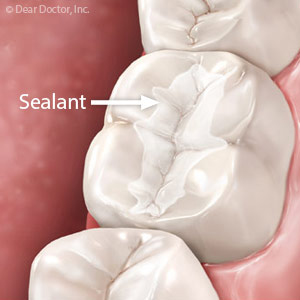 Have you heard about dental sealants? These preventive treatments have been available for many decades, and more and more children are taking advantage of them. The National Institutes of Health (NIH) estimates that around 30% of kids from 6 to 11 years of age have had sealants applied to their molars (back teeth). Sealants are designed to reduce the incidence of cavities by filling in or eliminating the pits or crevices found in all molars, where decay-causing bacteria can hide and your brush can't reach. But do they really work?
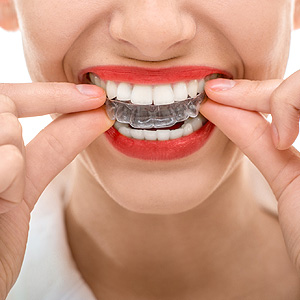 Moving your teeth to a more functional and attractive alignment is a big undertaking. You can invest months — even years — and a lot of expense to correct a bad bite. But all that effort could be for nothing if your teeth return to their original positions.
 What's an actor's most important feature? According to Vivica A. Fox, whose most recent big-screen role was in Independence Day: Resurgence, it's what you see right up front.
 A child's toothache is no fun for either the child or the parent. But if you're faced with this situation, don't panic — unless they have a fever or you notice facial swelling, it's unlikely an emergency.
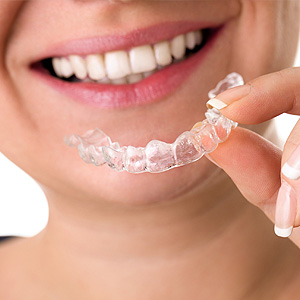 Braces can change a person's life — not just their appearance but their dental health as well. To be honest, though, wearing braces are, well, kind of a drag — especially for teenagers.
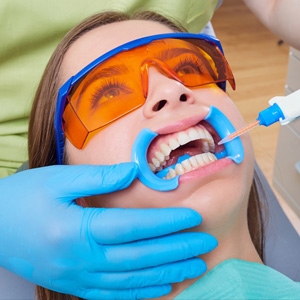 With the advent of home whitening kits, you no longer have to go to the dentist to have your teeth whitened. DIY kits are relatively safe and effective, if you follow the directions carefully.
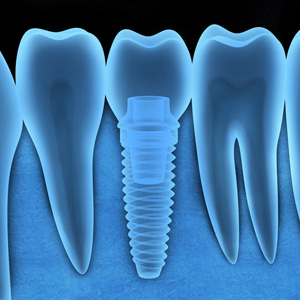 An estimated 35 million people in the United States are missing all of their teeth on at least one jaw. Your situation may not be as serious — perhaps you've only lost one tooth. But even one missing tooth could eventually impact the health of underlying bone or other teeth — and it can certainly mar an otherwise attractive smile.
 When is the best time to
 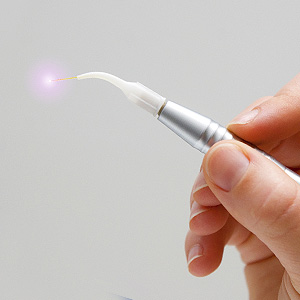 Periodontal (gum) disease is potentially devastating to your teeth, gums and bone. To fight it we have to remove the substance that causes and sustains the disease from all oral surfaces — a thin layer of bacteria and food particles known as plaque.
 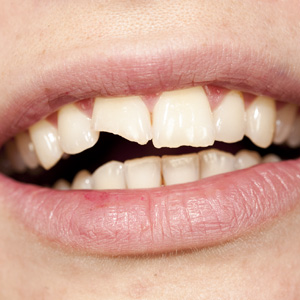 A tooth that's been chipped doesn't mean it's no longer healthy. The same, unfortunately, can't be said about the attractiveness of your smile, especially if it's one of your front teeth. A chipped tooth can be quite noticeable and make you self-conscious.
 Academy Award-winning actress Kathy Bates knows how important it is to present your best face to the world — and one of the most important features of that face is a beaming smile. But there came a point when she noticed something was a little off. “I've always had good teeth, but it seemed to me as I was getting older that they weren't looking as good,” Kathy explained in a recent interview with Dear Doctor magazine.
 No one ever said it was easy to become a dentist. After earning an undergraduate degree in science, prospective dentists must successfully complete four years in the rigorous environment of an accredited dental school. After that, every dentist must pass a state-administered exam before being licensed to practice in that state. At that point, you might think the dental educational process is over. But it isn't.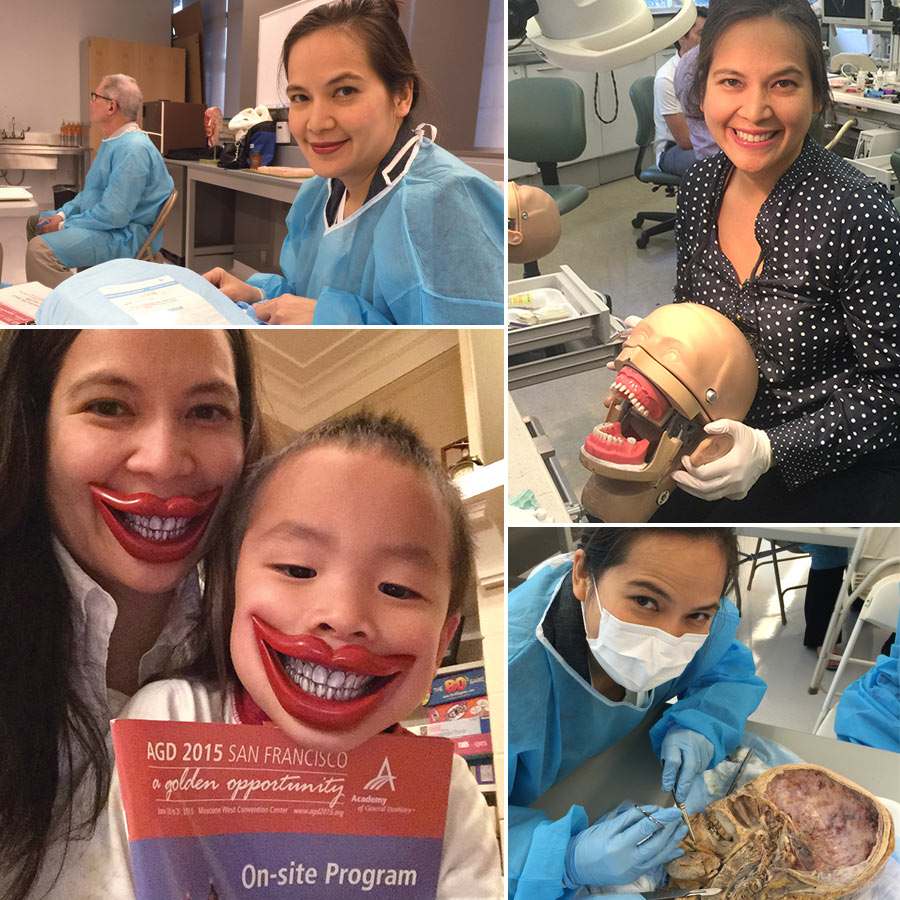
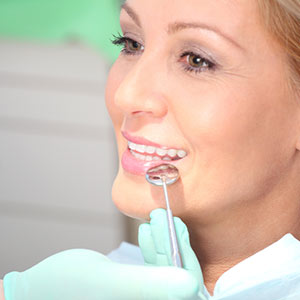 The mark of a great dental restoration is that you can’t see it. It’s there in plain sight, but others observing your new and improved smile can’t tell the difference between the restoration and your natural teeth. Everything looks, well, natural.
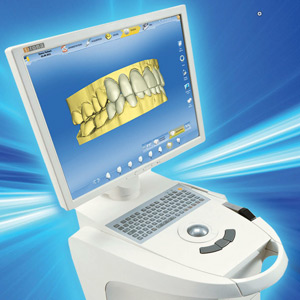 The traditional way to restore a tooth with an artificial crown takes several weeks and multiple office visits: from tooth preparation and impression molding to crown production by a dental laboratory, followed by adjustments and cementing. There’s an alternative that reduces this process to a fraction of the time, and all from right inside our office.
 Dental care is more than brushing and flossing every day, visiting the dentist at least twice a year and occasionally having a problem treated. To get the most out of your care, we need to consider the “big picture” of risk management: identifying where your oral health is most at risk and tailoring your treatment approach accordingly.
 Managing pain is an important part of dental care — alleviating pain caused by disease or trauma and reducing discomfort during and after treatments. In many of these instances we can do this effectively with mild, over-the-counter drugs like ibuprofen or aspirin.
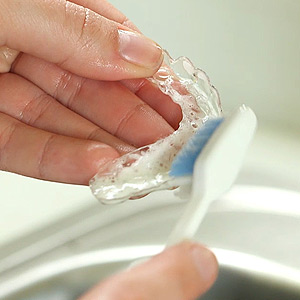 There are many different removable appliances — from dentures to retainers — that help people enjoy better mouth function and a more attractive smile. But like many things we use, they can wear out. Because they’re also spending a lot of time in the mouth they can become an attractive home for disease-causing bacteria.
 Think braces and you may conjure up the image of a teenager undergoing what is for many adolescents a rite of passage. But while correcting poor bites (malocclusions) is usually optimal between pre-adolescence and early adulthood, it’s just as viable an option for older adults.