
 Billions of bacteria live in each of our mouths, sharing a common environment with teeth and soft tissues. Most of the time, they coexist in symbiotic balance. But sometimes that balance becomes disrupted, leading to a destructive condition known as periodontal disease.
From the Latin peri (“around”) and the Greek odont (“tooth”), periodontal refers to the tissues that are around the teeth. When they become diseased, it's a serious matter; and not just because of potential tooth loss — there is evidence that periodontal disease has links to cardiovascular disease and, for pregnant women, low birth weights in pre-term babies.
There are a number of factors that can increase your risk of developing periodontal disease, like smoking, poor nutrition, and your systemic health. The biggest factor, however, is increased bacterial plaque due to poor oral hygiene practices.
Periodontal disease is progressive. As unhealthy bacteria levels increase, the bacteria eventually cause bone loss, the gums separate from the teeth and create what is referred to as periodontal pockets. As the pockets deepen around the teeth, plaque and tartar become extremely difficult to remove, even if you resume a proper hygiene routine. At this stage, treating the disease will require a different approach. And if left untreated, the teeth will most likely continue to lose bone and eventually be lost.
Through a dental exam, we can determine the presence and extent of the disease and recommend a treatment strategy. Besides lifestyle changes and better hygiene habits, this strategy might also include treatment with antibiotics, a thorough mechanical cleaning to remove tartar and plaque, surgical techniques to remove infected tissue, or occlusal bite therapy.
Above all, prevention is the key. Through proper dental hygiene and regular dental exams and cleanings, stopping periodontal disease from beginning in the first place is your best defense.
If you would like more information on the treatment of periodontal disease, please contact Dr. Cindy Sumarauw at 801-281-3500 to schedule an appointment for a consultation. You can also learn more about this topic by reading the Dear Doctor magazine article “Understanding Gum Disease.”

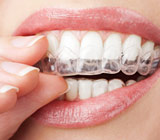 Orthodontic treatment (commonly known as braces) can be a lengthy process to re-align your teeth to a more functional and aesthetic position. Once the orthodontic devices are removed, however, the treatment isn't finished. Wearing a retainer is the final step to ensuring that the re-alignment doesn't eventually fail. It's designed to do just what its name implies — to “retain” the teeth's new position and prevent a relapse to the old.
 You have probably heard a lot of people talk about TMJ disorders, but do you know what it all means? How do you know if you are suffering from a TMJ disorder?
 While genetics certainly plays a role in a person's susceptibility to various forms of cancer (including oral cancer), there are lifestyle factors that also play a role.
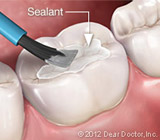 As a parent, hearing that your child has a cavity is almost worse than hearing that you have a cavity. You wonder if the cavity is your fault — did you fail to teach your child proper oral hygiene? Should you have spent more time teaching him how to brush? Well, luckily, there are several ways, in addition to diligent oral hygiene, to protect your children's teeth from decay.
 Whether it's a chipped tooth or a cut in your mouth, there is nothing pleasant about experiencing a dental injury. The good news is that advances in modern dentistry ensure that we'll be able to fix the issue with minimal discomfort and maximum results. If you've suffered a chipped tooth as a result of an unfortunate accident, composite resin bonding may be the ideal solution to your problem. The procedure is simple and painless and, most importantly, you'll surely be pleased with the results.
 Once you've decided to make over your smile, you're embarking on an exciting journey to restore your smile and your confidence. As experts in