
 Q: What exactly is cosmetic tooth bonding?
A: Cosmetic bonding is a process in which your dentist uses specially formulated tooth-colored material to repair minor defects on the surface of your teeth. The bonding material itself is a type of composite resin — a tough, translucent mixture of plastic and glass components that mimics the pearly-white appearance of your teeth to a high degree. The material also bonds (links up) so well with the natural tooth structure that this relatively simple and inexpensive treatment can last for a number of years.
Q: What types of defects can tooth bonding repair?
A: Bonding can be used to remedy several different kinds of flaws in your smile. Small chips, cracks and areas of discoloration can be easily treated via cosmetic bonding. It can even be used to fix minor spacing irregularities. Best of all, because composite resin is available in various shades to match the natural color of your teeth, it’s almost impossible to tell which tooth has been treated.
Q: What are the pluses and minuses of cosmetic bonding?
A: Bonding is a procedure that can be done right in the dental office, without involving a laboratory — that’s why it is typically an easy, cost-effective treatment that can be accomplished in a single visit. It’s a great solution for restoring minor flaws that don’t extend very far into the tooth’s structure. It’s also ideal for teenagers, who may have to wait until they stop growing before getting a more permanent restoration. But bonding normally isn’t as long-lasting as some other restoration techniques, such as veneers or crowns. However, with proper care, a bonded tooth can keep looking good for years.
Q: What is the bonding procedure like?
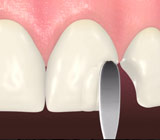
A: Bonding is a minimally invasive, reversible treatment that normally causes little or no discomfort. The tooth being treated is first thoroughly cleaned, and then “etched” with a gel that microscopically roughens its surface. Next, the gel is rinsed off, and liquid composite resin (in a shade chosen to match the tooth) is painted on with a brush. Then, the bonding material is cured (hardened) using a special light. After it has cured, another layer may be applied; this process can be repeated several times to build up a thicker coating. Finally, a dental instrument is used to shape the built-up material into its final, pleasing form.
Q: Do bonded teeth require special care?
A: Not really… but like all teeth, they should be brushed and flossed daily, and professionally cleaned at the dental office twice a year. Bonded teeth can also become stained from tobacco use, red wine and coffee — but unlike regular teeth, bonded teeth can’t be lightened. So if you’re considering tooth-whitening treatments, have them done before your teeth are bonded.
If you have questions about whether cosmetic bonding could help your smile look its best, please contact Dr. Cindy Sumarauw at 801-281-3500 to schedule an appointment for a consultation. You can learn more by reading the Dear Doctor magazine articles “Repairing Chipped Teeth” and “Artistic Repair Of Front Teeth With Composite Resin.”

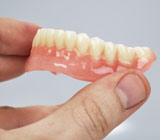 At first glance, you might think at-home denture repair belongs in the same category as Do-It-Yourself brain surgery and cloning your pet in the kitchen sink. But the fact is, you can actually buy a variety of DIY denture repair kits on line, send for them through the mail, even pick them up at some drug stores;you can even watch a youtube video on how to do your own denture repair. So if you’re feeling like Mr. (or Ms.) Fix-it, should you give it a whirl?
 What happens if you’re right in the middle of a song, in front of an arena full of fans… and you knock out a tooth with your microphone? If you’re Michael Buble, you don’t stop the show — you just keep right on singing.
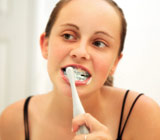 It’s a recognized goal of modern dentistry to help you keep your natural teeth clean and disease-free, so you’ll be able to enjoy them for your whole life. But dentists can’t accomplish that goal by ourselves — we need your help! Maintaining good oral hygiene is the best way to ensure that your smile stays as healthy as it should be. Here are a few simple tips that can make a big difference in your dental health.
 Some train intensively for months ahead of time, so they can achieve peak performance during the season; others simply enjoy occasional pick-up games with friends. But here’s something all athletes, both amateurs and professionals, should know: Dental accidents in sports can happen at any time, and the consequences of not wearing the proper protective equipment can be serious.
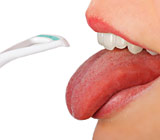 Although usually not considered a serious health condition,
  Thumb or finger sucking is a normal activity for babies and young children — they begin the habit while still in the womb and may continue it well into the toddler stage. Problems with tooth development and alignment could arise, however, if the habit persists for too long.