
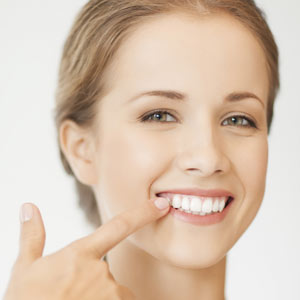
 The term “makeover” is a powerful word in today’s society. It’s used for a variety of things — hair, body, lawn — that need more than a different style, a little toning or some new shrubs. A makeover is a transformation, replacing the dissatisfying status quo with something new and dynamic.
Your smile and its various components — teeth, gums, jaw structure and facial features — might also be a candidate for a makeover. This involves more than just a few modifications. It’s the answer to a smile we avoid showing in photos, cover with our hand when we’re speaking or laughing, or makes us feel older than we really are. In other words, it’s a comprehensive change to a smile that inhibits us from fully expressing ourselves in our friend, family or career relationships.
Of course, for any makeover to succeed, it must follow a plan. A smile transformation is no different. The process begins with what we call a “smile analysis”: a comprehensive examination that determines the exact condition of your entire mouth. This enables us to identify problems and defects, understand how they interact with your other facial features, and then recommend a treatment plan that effectively addresses these issues.
The plan isn’t complete, though, without your input. You may want a complete renovation — to restore missing teeth or change their shape, color and brilliance. On the other hand, you may be more comfortable with a few subtle changes, perhaps even keeping slight imperfections that you see as part of the real “you.” Whichever path you take, the end result is a smile that makes you happy, and proud to show to others.
The various techniques and materials available through cosmetic or restorative dentistry can turn any disappointing smile into a beautiful one. Your journey to that newer, brighter smile begins with your next dental visit.
If you would like more information on smile makeovers through restorative or cosmetic dentistry, please contact Dr. Cindy Sumarauw at 801-281-3500 to schedule an appointment for a consultation. You can also learn more about this topic by reading the Dear Doctor magazine article “The Impact of a Smile Makeover.”

 Since boxers first began using them a century ago, athletic mouthguards are now standard safety equipment for most contact sports. Without them, dental injuries would skyrocket.
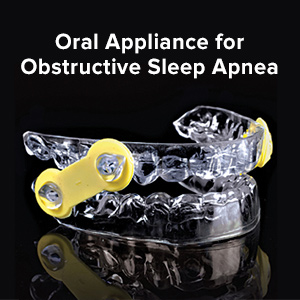 Daily fatigue or complaints of your snoring from family have led you to see your doctor about the problem. After an exam and a test session in a sleep lab, your problem now has a name — obstructive sleep apnea.
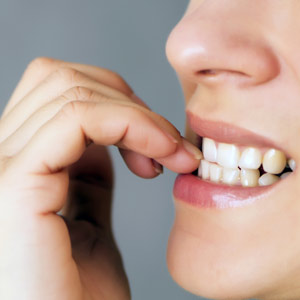 Periodontal (gum) disease is the most likely cause of a loose, permanent tooth. This progressive infection causes damage to the gums and bone tissues that hold teeth in place, leading to looseness and ultimately tooth loss.
 A few days before the Oscars, Vanity Fair magazine asked Academy Awards host Neil Patrick Harris to name his most treasured possession. Was it his Tony award statuette for best leading actor in a musical? His star on the Hollywood Walk of Fame? The stethoscope he wore while playing teenaged doctor Doogie Howser on TV? No, as it turns out, the 41-year-old actor’s most treasured possession is… his wisdom teeth. Yes, you read that correctly. “Oddly, I still have my four wisdom teeth,” Harris said. “I refuse to let them go or I’ll lose my wise parts.”
 What you eat (and how often you eat it) is a major factor in the ongoing battle to prevent tooth decay.
High levels of sugar or similar carbohydrates in your
What you eat (and how often you eat it) is a major factor in the ongoing battle to prevent tooth decay.
High levels of sugar or similar carbohydrates in your 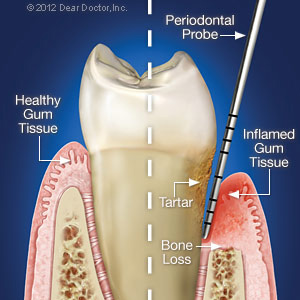 When we refer to periodontal (gum) disease, we’re actually talking about a family of progressive, infectious diseases that attack the gums and other tissues attached to the teeth. Caused primarily by bacterial plaque left on tooth surfaces from inefficient oral hygiene, gum disease can ultimately lead to tooth loss.