
 Managing pain is an important part of dental care — alleviating pain caused by disease or trauma and reducing discomfort during and after treatments. In many of these instances we can do this effectively with mild, over-the-counter drugs like ibuprofen or aspirin.
These Non-Steroidal Anti-Inflammatory Drugs (NSAIDs) are safer and have fewer side effects than stronger prescription pain drugs, and have proven effective after extensive studies. Nevertheless, they can cause problems if not taken properly.
NSAIDs work by blocking prostaglandins, substances released by diseased or damaged tissues that have become inflamed (swollen). Inhibiting prostaglandins reduces inflammation that in turn eases pain. This differs from steroids that reduce inflammation by suppressing the immune system or narcotics like morphine or codeine that act on the brain to reduce pain.
Both steroids and narcotics are strong, prescription medications used only for severe pain, and can be addictive if abused. While NSAIDs aren’t as habit-forming and have milder side effects, they can cause significant health problems if overused. The most common is their tendency to act as a blood thinner, which decreases the blood’s ability to clot.
This can lead to serious complications: over-extended use of aspirin, for example, can damage stomach lining and give rise to ulcers or dangerous bleeding; ibuprofen can damage the kidneys. An estimated 100,000 Americans are hospitalized each year due to ulcers or gastrointestinal bleeding linked to chronic NSAID use for pain relief. They’re not recommended for patients who are pregnant, have preexisting stomach problems or heart disease.
In short, NSAIDs are best used for only brief periods to alleviate short-term discomfort. Unless otherwise directed by a physician, a single dose of 400-600 milligrams is safe and normally sufficient for about five hours of mild to moderate pain relief; daily dosages shouldn’t exceed 2400 milligrams.
NSAIDs remain the best approach for alleviating most dental pain and discomfort. Taken properly, they can help you cope with pain until you’re back on your feet again.
If you would like more information on managing pain associated with dental care, please contact Dr. Cindy Sumarauw at 801-281-3500 to schedule an appointment for a consultation. You can also learn more about this topic by reading the Dear Doctor magazine article “Treating Pain with Ibuprofen.”

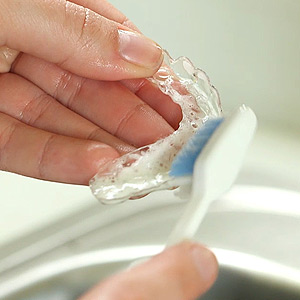 There are many different removable appliances — from dentures to retainers — that help people enjoy better mouth function and a more attractive smile. But like many things we use, they can wear out. Because they’re also spending a lot of time in the mouth they can become an attractive home for disease-causing bacteria.
 Think braces and you may conjure up the image of a teenager undergoing what is for many adolescents a rite of passage. But while correcting poor bites (malocclusions) is usually optimal between pre-adolescence and early adulthood, it’s just as viable an option for older adults.
 It’s easy to view your child’s primary (“baby”) teeth as less important than the permanent teeth replacing them. They’re temporary — the last of them will give way around ages 10 to 13 — so why go to extraordinary lengths to save them if they’re decayed?
 There are definite links between smoking tobacco and several major health problems. While we’re all familiar with its relationship to cancer or heart disease, smoking can also adversely affect your dental health, particularly the long-term survival of dental implants.
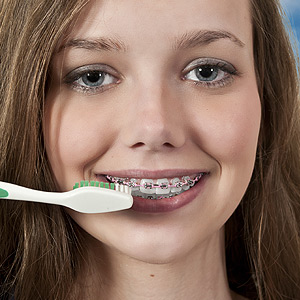 Moving teeth through orthodontics is more than a “smile makeover” — it’s also an investment in yours or a family member’s future oral health. Normally aligned teeth function better and are easier to keep clean and healthy.
 When fighting periodontal (gum) disease, it’s often necessary to go deep into “enemy” territory — below the gum line — to remove bacterial plaque, a thin film of built up food remnant that fuels the infection. This often requires gum surgery to access these deep areas of infection.