
 Dental care is more than brushing and flossing every day, visiting the dentist at least twice a year and occasionally having a problem treated. To get the most out of your care, we need to consider the “big picture” of risk management: identifying where your oral health is most at risk and tailoring your treatment approach accordingly.
With that in mind, here are the 4 main risk areas we should address for your long-term dental health.
Support structures. Healthy gums and bone support healthy teeth. The loss of these support structures from dental disease puts your teeth at higher risk of loss. The focus then is keeping the gums and bone healthy through dedicated oral hygiene, regular checkups and office cleanings, lifestyle changes (like refraining from tobacco use), nutrition and early, proactive disease treatment.
Tooth health. Your teeth also need to be healthy and sound. When compromised by decay, erosion or injury, your risk for losing them increases. To manage that risk, we need to identify, treat or minimize the root causes of unhealthy teeth like disease-causing bacteria, high acid levels in the mouth or restricted saliva flow. It’s also important to repair damaged teeth as soon as possible through fillings, crowns or root canal treatments to give teeth a better chance of survival — and to know when a tooth is beyond salvage and should be replaced with an appropriate restoration.
Mouth function. Your teeth, muscles and jaw joints work like an intricate mechanism to help you eat, speak and even smile. When they don’t function properly, though, it can lead to significant dental problems. Tooth grinding habits, poor bites (malocclusions) or temporomandibular (jaw) joint issues can cause pain, compromised function, and even excessive tooth wear that may compromise dental health and affect appearance. It’s necessary to treat these underlying functional problems through conservative TMD treatments, night guards or lifestyle changes before attempting dental restoration or the damage will continue.
Smile appearance. Although subjective, how you feel about your smile is extremely important, and can have a profound effect on your self-image and relationships. Blemished, misaligned, or missing teeth pose a personal and social risk and deserve attention. While you should have realistic expectations about both your overall mouth condition and your financial ability, there are many options for improving your teeth’s appearance and ultimately your smile.
If you would like more information on comprehensive dental care, please contact Dr. Cindy Sumarauw at 801-281-3500 to schedule an appointment for a consultation. You can also learn more about this topic by reading the Dear Doctor magazine article “Successful Dental Treatment.”

 Managing pain is an important part of dental care — alleviating pain caused by disease or trauma and reducing discomfort during and after treatments. In many of these instances we can do this effectively with mild, over-the-counter drugs like ibuprofen or aspirin.
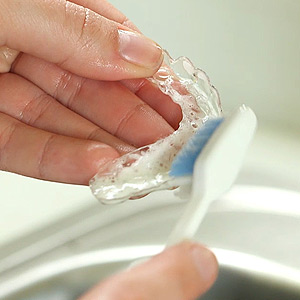 There are many different removable appliances — from dentures to retainers — that help people enjoy better mouth function and a more attractive smile. But like many things we use, they can wear out. Because they’re also spending a lot of time in the mouth they can become an attractive home for disease-causing bacteria.
 Think braces and you may conjure up the image of a teenager undergoing what is for many adolescents a rite of passage. But while correcting poor bites (malocclusions) is usually optimal between pre-adolescence and early adulthood, it’s just as viable an option for older adults.
 It’s easy to view your child’s primary (“baby”) teeth as less important than the permanent teeth replacing them. They’re temporary — the last of them will give way around ages 10 to 13 — so why go to extraordinary lengths to save them if they’re decayed?
 There are definite links between smoking tobacco and several major health problems. While we’re all familiar with its relationship to cancer or heart disease, smoking can also adversely affect your dental health, particularly the long-term survival of dental implants.
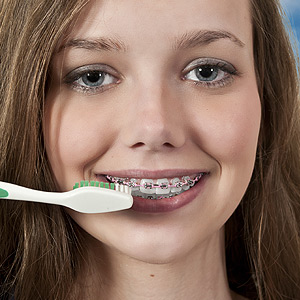 Moving teeth through orthodontics is more than a “smile makeover” — it’s also an investment in yours or a family member’s future oral health. Normally aligned teeth function better and are easier to keep clean and healthy.